Iran Seizes Ships in Strait of Hormuz, Cease-Fire Tensions Rise Between Washington and Tehran
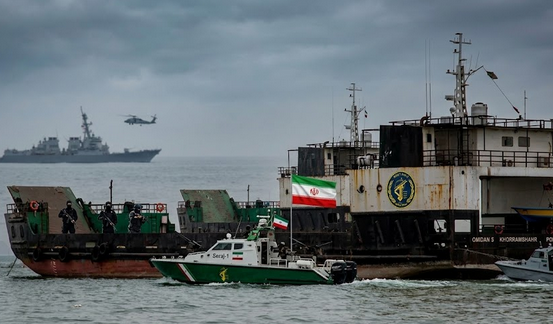
Tensions in the Middle East have sharply escalated after Iran reported seizing two cargo vessels in the strategically vital Strait of Hormuz, just hours after Donald Trump announced an extension of the cease-fire with Tehran.
The incident highlights how fragile the current truce remains, with both sides continuing to assert control over one of the world’s most critical shipping routes.
Seizure of Ships Sparks Global Concern
According to Iranian state media, the naval wing of the Islamic Revolutionary Guard Corps intercepted two vessels—identified as MSC Francesca and Epaminondas—allegedly for violating maritime regulations. The ships were later escorted toward Iranian ports.
Earlier reports from the United Kingdom Maritime Trade Operations indicated that multiple vessels in the area had come under fire, raising alarms about safety in the region. Fortunately, no casualties were immediately reported.
The Strait of Hormuz is a crucial artery for global energy supply, with nearly 20% of the world’s oil shipments passing through it. Any disruption in this narrow passage has immediate ripple effects across international markets.
Cease-Fire Under Pressure
The seizures come at a delicate moment. The United States recently extended a cease-fire agreement with Iran, hoping to create space for diplomatic negotiations. However, mixed signals from Tehran suggest that confidence in the agreement remains low.
An adviser linked to Iranian leadership dismissed the cease-fire extension as meaningless, arguing that continued U.S. actions—particularly naval restrictions—are equivalent to ongoing aggression.
Meanwhile, the United States has maintained its blockade of certain Iranian shipping routes, further complicating efforts to de-escalate tensions.
Uncertain Future for Peace Talks
Diplomatic efforts are now hanging in the balance. Talks expected to take place in Islamabad—with J. D. Vance leading the U.S. delegation—have been delayed due to uncertainty over Iran’s participation.
Iranian officials have cited “contradictory signals” from Washington as a key reason for hesitation, while Shehbaz Sharif has urged both sides to remain committed to dialogue and avoid further escalation.
Oil Prices React to Rising Tensions
Global markets have already begun to feel the impact. Oil prices surged following reports of the ship seizures, with Brent crude crossing the $100 per barrel mark.
The ongoing instability has drawn concern from international leaders and organizations. The International Energy Agency has warned that the conflict could trigger one of the most significant energy disruptions in recent history.
European officials have also stressed the importance of keeping the Strait open, calling freedom of navigation “non-negotiable.”
A High-Risk Situation Moving Forward
As both military activity and political rhetoric intensify, the situation in the Strait of Hormuz remains volatile. With no clear commitment from Iran to fully engage in peace talks, and the United States maintaining its strategic pressure, the path to a lasting resolution appears uncertain.
For now, the world is watching closely—because what happens in this narrow waterway could shape global energy security and geopolitical stability in the weeks ahead.
Related News



Follow us for Latest Updates
