Alleged Hack of China’s Supercomputer Raises Fears of Massive 10PB Data Leak
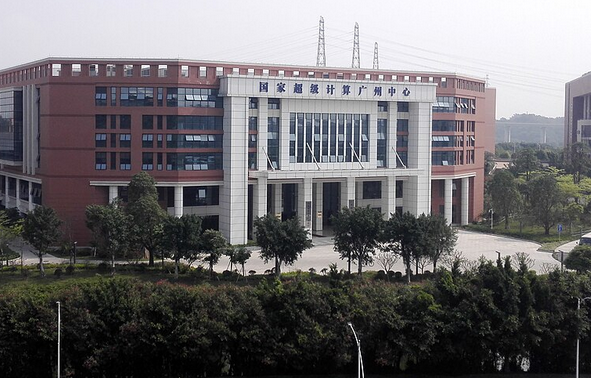
A new cybersecurity controversy is making headlines after a hacker group claimed it had infiltrated a major Chinese supercomputing system and stolen an extraordinary amount of data—reportedly as much as 10 petabytes. If the claim turns out to be accurate, it could rank among the most significant cyber breaches ever, potentially exposing years of sensitive research and advanced technological data.
The incident has triggered intense discussion among cybersecurity experts, many of whom are now trying to assess whether the scale of the breach is real or exaggerated.
A Claim That Has Shocked Experts
The alleged breach centers around one of China’s high-performance computing facilities, believed to be part of a national network supporting research institutions and government-backed projects.
Hackers behind the claim say they gained deep access to the system and quietly extracted data over time. They have reportedly shared small samples to demonstrate their access and are attempting to sell the larger dataset through underground channels.
What makes this case particularly alarming is the volume of data involved. Ten petabytes is not just large—it represents an immense archive of information that could take years to compile under normal circumstances.
Understanding the Scale
To grasp the magnitude of the claim, consider this:
- 1 petabyte equals 1 million gigabytes
- 10 petabytes equals 10 million gigabytes
This level of data could include entire research archives, simulation outputs, and technical databases accumulated over long periods. It goes far beyond typical data breaches involving personal information or corporate records.
What Kind of Data Could Be Involved?
Initial analysis of the leaked samples suggests the data may span several high-value fields, including:
- Advanced aerospace research
- Defense and weapons system simulations
- Artificial intelligence development
- Medical and biological data modeling
- Industrial engineering and manufacturing systems
Because supercomputers are used for complex simulations, the stolen data may include not only results but also the underlying processes and models used to generate them.
This could make the information extremely valuable for both commercial and strategic purposes.
Questions Around Authenticity
Despite the seriousness of the claims, experts are urging caution. There is currently no official confirmation of the breach, and several factors have raised doubts.
Some analysts point out that:
- The pricing of the data appears unusually low for such valuable material
- Only limited samples have been publicly examined
- Extracting such a large volume of data without detection would be highly challenging
These points have led some to believe that the hackers may be overstating the scale of the breach, even if some level of access was achieved.
How Could Such a Breach Happen?
If the claim is accurate, it suggests a major failure in cybersecurity defenses. Experts believe several scenarios could explain how attackers gained access:
- Long-term infiltration using stolen credentials
- Exploiting vulnerabilities in internal systems
- Lack of effective monitoring or detection tools
- Possible insider involvement
One theory is that the attackers slowly moved data out of the system in smaller batches over time, avoiding detection by blending in with normal network activity.
Why Supercomputers Are High-Value Targets
Supercomputing systems are among the most powerful digital tools in the world. They are used to solve complex problems that ordinary computers cannot handle, including climate modeling, scientific research, and military simulations.
Because of their role, these systems often contain highly sensitive and valuable data. This makes them attractive targets for hackers, especially those seeking strategic or financial gain.
A successful breach could provide access to cutting-edge research and technological insights that would otherwise take years to develop.
Global Implications
The potential consequences of such a breach extend far beyond a single institution or country. If sensitive research or defense-related data is compromised, it could shift the balance in areas such as technology, security, and innovation.
Possible impacts include:
- Loss of competitive advantage in advanced technologies
- Increased risk of cyber espionage
- Tensions between nations over data security
- Greater urgency for global cybersecurity reforms
Experts say the incident highlights the growing importance of protecting digital infrastructure in an increasingly connected world.
A Wake-Up Call for Cybersecurity
Whether the full 10PB claim is verified or not, the situation serves as a warning. Cyber threats are evolving rapidly, and even the most advanced systems can be vulnerable.
Organizations managing large-scale data systems are being urged to:
- Strengthen access controls
- Monitor network activity more closely
- Conduct regular security audits
- Invest in advanced threat detection systems
The focus is shifting from simply preventing attacks to detecting and responding to them quickly.
What Happens Next?
Investigations into the alleged breach are expected to continue, with cybersecurity firms and experts analyzing available data and monitoring hacker activity.
If confirmed, the incident could lead to:
- Stricter cybersecurity policies
- Increased funding for digital defense systems
- Greater international cooperation on cyber threats
For now, the situation remains uncertain, but it has already captured global attention.
Conclusion
The claim of a 10-petabyte data breach involving a Chinese supercomputer has raised serious questions about the security of high-performance computing systems. While doubts remain about the full scale of the incident, the potential implications are too significant to ignore.
In today’s digital world, data is more than just information—it is a strategic asset. And as this case shows, protecting that asset is becoming one of the biggest challenges of our time.
Related News



Follow us for Latest Updates
