Fake MMS and Viral Video Links Pose New Cyber Fraud Threat
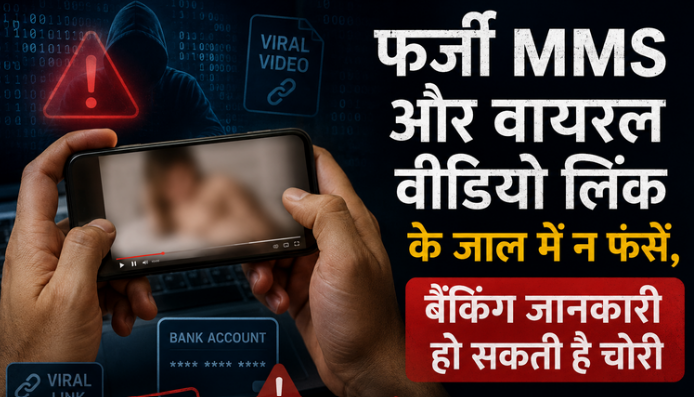
NEW DELHI / MUMBAI: In the digital era, cybercriminals are constantly inventing sophisticated and dangerous tactics to defraud innocent citizens. The latest scam involves fraudulent links circulating under the name of an ‘Indian Bhabhi MMS Leak’, which are spreading rapidly across WhatsApp, Telegram, and various other social media platforms. Behind these explicit links lies a massive conspiracy designed to exploit user curiosity and completely empty their bank accounts within a matter of minutes.
Key Highlights of this News:
- Exploiting Curiosity: Cybercriminals lure users by sending messages with enticing yet explicit titles like “MMS Leak” or “Viral Video”.
- Covert Malware Installation: The moment a user clicks on the link, a dangerous malware (virus) or an unknown APK file is downloaded into the background of the phone.
- Theft of OTP and Data: This virus not only gains access to the phone’s gallery and messages but also forwards banking One-Time Passwords (OTPs) directly to the scammers.
- Financial Fraud: Once the fraudsters gain complete control of the device, they wipe out the user’s entire bank balance within minutes.
How Does This Dangerous Trap Work?
According to law enforcement and investigative agencies, these criminals exploit human psychology. When an unsuspecting user clicks on the suspicious link, instead of playing any video, the platform prompts them to install an unknown file or silently installs a dangerous virus in the background. Once this malware becomes active, it begins monitoring every single digital activity of the user.
The trap becomes particularly lethal when the user logs into net banking or makes payments via UPI. The virus steals passwords and PINs using advanced key-logs. Most alarmingly, it intercepts the banking OTP from the user’s inbox and forwards it directly to the criminals. Because the malware works silently, the victim has absolutely no clue that a fraud is taking place until their account is entirely cleaned out.
How to Protect Yourself?
Cybersecurity experts have shared vital safety guidelines to protect yourself from such digital traps:
- Avoid Suspicious Links: Never click on any unknown or suspicious links received on WhatsApp, Telegram, or other social media groups.
- Stick to Official App Stores: Always download applications strictly from official platforms like the Google Play Store or Apple App Store. Never install third-party APK files.
- Keep Credentials Private: Never share your banking details, passwords, UPI PINs, or OTPs with anyone.
- Emergency Protocol: If you accidentally click on such a link, immediately turn off your phone’s internet, back up your vital data, and perform a factory reset (Format) on your device.
- Report Immediately: In case of financial fraud, immediately report the incident on the official National Cyber Crime Portal.
Disclaimer: This article is for public awareness and informational purposes only. Always maintain strict vigilance during any online activity. For any official assistance or reporting regarding cyber crimes, rely solely on authorized government portals like cybercrime.gov.in.
Related News


Follow us for Latest Updates
