Beyond the Limelight: Why Trishala Dutt Chose Therapy Over the Silver Screen
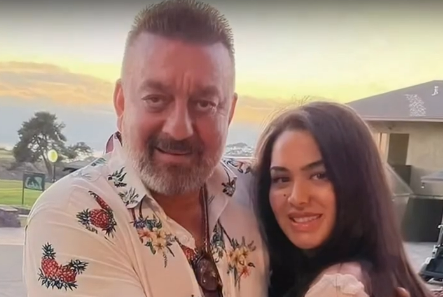
While the “star kid” narrative in India often leads directly to a film set, Trishala Dutt, daughter of veteran actor Sanjay Dutt, has carved a path that is refreshingly distinct. In a revealing conversation on the Inside Thoughts Out Loud podcast, the US-based psychotherapist opened up about a time when she almost entered Bollywood—not for the fame, but for a father’s presence.
A Career Choice Driven by Connection
Trishala, born in 1988 to Sanjay Dutt and the late Richa Sharma, faced a childhood marked by distance and loss. After her mother’s passing in 1996, she was raised by her maternal grandparents in the United States. This geographical and emotional gap created a yearning that, at one point, she thought only Bollywood could bridge.
“I did think about [joining the industry] when I was younger,” she admitted. However, she clarified that the motivation was never creative. “I wasn’t thinking that I wanted to be an actor because acting is my passion. I just wanted to be closer to my dad.”
The “Hell and Back” Advice from Sanjay Dutt
Navigating the film industry is notoriously difficult, even for those with famous surnames. Sanjay Dutt, whose life has been a public rollercoaster of extreme highs and devastating lows, provided his daughter with the reality check she needed.
Instead of leveraging his influence to land her a debut, he encouraged her to find her own “calling.” Trishala recalled his grounded advice:
“He said, ‘Is this your calling? Do you feel a pull to it?’… Just because you are so and so’s daughter doesn’t mean that you’re going to be an A-list actress.”
This pivot allowed Trishala to move away from the shadow of the “Dutt legacy” and toward her true interest: mental health.
From Personal Healing to Professional Practice
Trishala’s transition into psychiatry wasn’t just a career move; it was a mission. Having dealt with her own internal struggles, she recognized a significant void in the Bollywood ecosystem—the lack of open conversation regarding mental health.
By establishing herself as a successful therapist in the US, she aims to humanize the experience of struggle. “I became a therapist to let people know that it’s okay to struggle,” she noted, emphasizing that despite her family background, she faces the same human vulnerabilities as anyone else.
Today, Trishala stands as a testament to the idea that success isn’t always about following a family tradition—it’s about finding the courage to define your own identity, far away from the camera’s glare.
Disclaimer: The information presented in this article is based on public interviews and podcast appearances. This content is for informational purposes only and does not constitute professional medical or psychological advice.
Follow us for Latest Updates