Tamil Nadu Election Results 2026: Actor Vijay’s TVK Emerges as Single Largest Party; Will He Seek AIADMK’s Support or Smaller Allies?
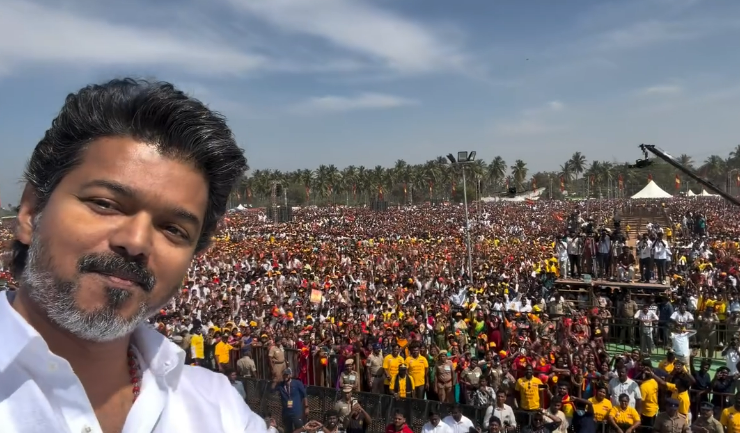
The 2026 Tamil Nadu Assembly elections have signaled a tectonic shift in the state’s political landscape. Actor-turned-politician Vijay and his party, Tamilaga Vettri Kazhagam (TVK), have emerged as the single largest force in the 234-member House. According to early counting trends, TVK is leading in 111 seats, placing it remarkably close to the majority mark of 118.
This stunning debut—the party’s first electoral contest since its launch in February 2024—has sparked massive celebrations among supporters outside Vijay’s residence in Chennai.
A Fractured Mandate: DMK and AIADMK Trail
The ruling Dravida Munnetra Kazhagam (DMK), led by Chief Minister M.K. Stalin, is currently trailing with approximately 63 seats. Meanwhile, the AIADMK holds a lead in roughly 60 seats. These numbers suggest a fractured mandate, potentially leading to a hung assembly where “coalition mathematics” will dictate who occupies Fort St. George.
TVK leaders have remained optimistic, describing the results as a “Silent Vijay Wave.” Party spokesperson Felix Gerald noted that the numbers reflect a deep-seated public desire for an alternative to the traditional Dravidian majors.
The Government Formation Math: Three Possible Scenarios
Despite being the frontrunner, Vijay faces the immediate challenge of securing the final 7 seats required for a majority. Here are the three potential pathways:
1. Support from Smaller Parties
Seeking backing from smaller entities is the most likely route to maintain TVK’s identity as an alternative force. Parties like the PMK (7 seats), Congress (3), VCK (2), and CPI (2) could act as kingmakers. Relying on them would allow Vijay to form a government without a formal tie-up with his larger rivals, though these parties may demand cabinet portfolios or specific policy shifts in return.
2. A Post-Poll Alliance with AIADMK
While pre-election talks between TVK and AIADMK did not materialize due to leadership and seat-sharing disputes, the post-poll reality has shifted the power balance. An alliance with AIADMK would provide administrative stability and experience. However, this could complicate Vijay’s stance on the BJP, a party he criticized during his campaign, given AIADMK’s historical leanings.
3. Indirect Support via the DMK Alliance
A direct pact with the DMK is highly improbable, as Vijay framed the party as his primary ideological opponent. However, indirect support from national parties like Congress—currently part of the DMK bloc—cannot be entirely ruled out if the political winds shift.
Conclusion
While Vijay has achieved a historic breakthrough, the transition from a “superstar” to a “stable administrator” depends on his ability to navigate coalition politics. The coming days will be crucial in determining whether the TVK can stitch together a stable government or if the state is headed toward a period of political uncertainty.
Disclaimer: This report is based on early counting trends and projections provided by various news agencies and broadcasters. For final and official results, please refer to the Election Commission of India (ECI) website.
Related News
Follow us for Latest Updates
