RBI Update: Are Rs 500 Notes Changing to Plastic
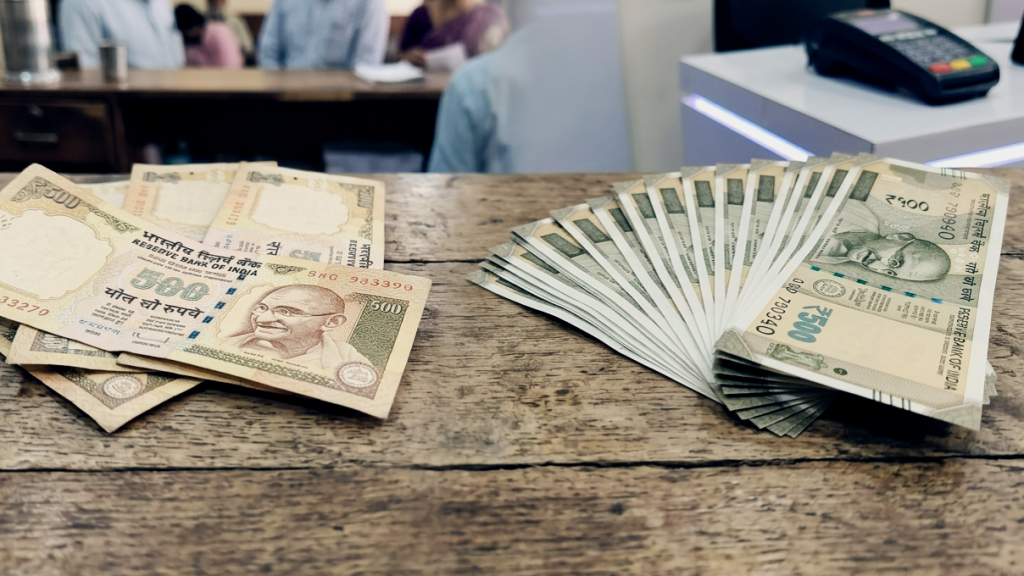
In a significant move to combat counterfeit currency and enhance the lifespan of banknotes, the Reserve Bank of India (RBI) is reportedly preparing to introduce polymer (plastic) currency notes, starting with the widely circulated Rs 500 denomination.
With cash demand continuing to surge across the country, millions of soiled paper notes are discarded annually the vast majority of which are Rs 500 bills. To address this, the central bank has revived discussions to shift away from the traditional cotton paper blend. According to recent reports, transitioning to bi axially oriented polypropylene (BOPP) polymer notes will offer a highly durable and cost effective solution.
Under the proposed RBI framework, the new plastic Rs 500 notes will feature state of the art security upgrades, making them nearly impossible to forge. This is a crucial step, as Rs 500 bills currently serve as the primary target for counterfeiters, accounting for over 60% of all fake currency detected in the Indian banking system.
Beyond advanced security, the polymer notes are built for extreme durability. They are inherently resistant to water, moisture, dirt and tearing. This means they will not easily soil or degrade during daily handling. Because plastic notes last up to two and a half times longer than standard paper money, the RBI expects to see a drastic reduction in annual currency printing costs.
The transition to plastic currency is expected to kick off with targeted pilot projects before a broader national rollout. Automated Teller Machines (ATMs) across the country will be actively recalibrated to dispense the new polymer bills.
Citizens do not need to panic. If officially rolled out, the existing paper Rs 500 notes will remain legal tender alongside the new plastic versions, ensuring a smooth and gradual phase out through standard banking operations.
Related News



Follow us for Latest Updates
