Constitutional Standoff in Bengal: Election Commission Issues Notification as Mamata Banerjee Refuses to Resign; What Happens Next?
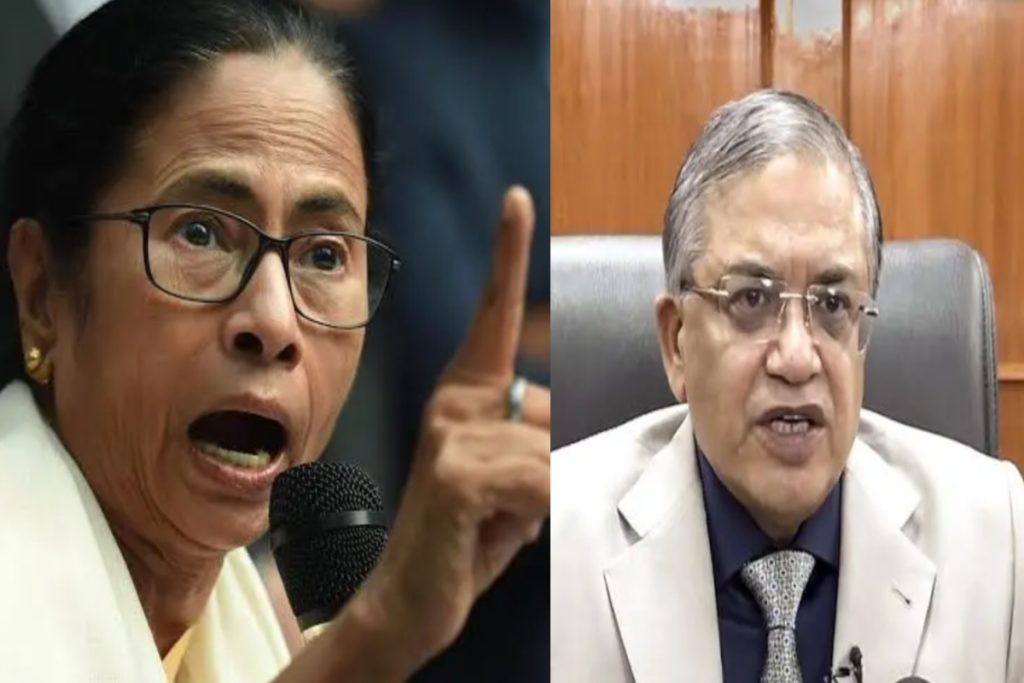
West Bengal has entered an unprecedented constitutional crisis following the 2026 Assembly Election results. While the Bharatiya Janata Party (BJP) secured a historic landslide victory, the transition of power has hit a deadlock. On Tuesday, the Election Commission of India (ECI) issued a formal notification for the constitution of the new Legislative Assembly, effectively ending the election cycle and paving the way for a new government. However, outgoing Chief Minister Mamata Banerjee has refused to step down, citing a “grand conspiracy.”
The Election Commission’s Decisive Move
The ECI’s notification is a mandatory constitutional step that officially records the names of the newly elected members.
- The Formal Step: Officials confirmed that the notification has been forwarded to the Governor of West Bengal. This act legally dissolves the previous electoral process and invites the formation of the new house.
- Response to Allegations: Dismissing claims of “rigging” made by the Trinamool Congress (TMC), the Commission asserted that the entire process—from polling to counting—was conducted with absolute transparency, fairness, and strict adherence to constitutional norms.
Mamata Banerjee’s Defiance: “The Mandate was Looted”
Despite the BJP winning 207 seats in the 294-member assembly—ending 15 years of TMC rule—Mamata Banerjee remains combative. In a high-tension press conference, the 71-year-old leader alleged that the results in nearly 100 seats were tampered with.
- Refusal to Resign: “There is no question of my resignation. This is not a mandate of the people but a result of a deep-seated conspiracy,” she stated.
- Challenge to Authorities: Banerjee further declared that she would not visit the Raj Bhavan (Governor’s House) to tender her resignation and challenged the authorities to take “constitutional action” against her.
What Happens Next? The Legal Roadmap
With the ECI notification issued and the incumbent Chief Minister refusing to exit, the responsibility now falls on the Governor of West Bengal.
- Invitation to Form Government: Based on the ECI notification, the Governor is constitutionally bound to invite the leader of the single-largest party (BJP) to form the government.
- Governor’s Power of Dismissal: If a Chief Minister refuses to resign after losing a majority or following a general election, the Governor has the discretionary power to dismiss the cabinet or treat the office as vacated once the new Assembly is constituted.
- Street Protests: Banerjee has vowed to take the fight to the streets, promising a mass movement against the “stolen election” and focusing on strengthening the national opposition front.
The Road Ahead
This report is based on the formal administrative actions of the Election Commission and public statements from the TMC leadership. In the history of Indian democracy, a Chief Minister refusing to resign after a clear electoral defeat is a rare occurrence. Legal experts suggest that the ECI’s notification renders the current cabinet “caretaker” at best, and the Governor’s office will likely initiate the swearing-in of the new administration within the next 48 to 72 hours.
Disclaimer: This report covers ongoing political and constitutional developments in West Bengal. The final resolution depends on the actions of the Governor and potential judicial reviews of the election results.
Related News

Follow us for Latest Updates
