USS Tripoli Enters Gulf Sea Amid Rising Regional Tensions: A Strategic Signal from the US Navy
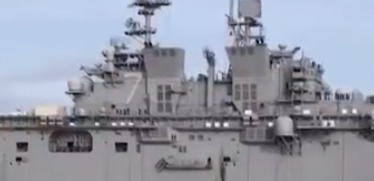
The United States has deployed its amphibious assault ship USS Tripoli (LHA-7) to the Gulf Sea, marking a significant strategic movement in a region already witnessing increasing geopolitical friction. The arrival of this powerful warship is being viewed as a strong message of deterrence, reassurance to allies, and readiness in case tensions escalate further.
According to defense analysts, the presence of USS Tripoli strengthens US maritime dominance in one of the world’s most sensitive waterways. This region continues to experience rising instability due to ongoing conflicts and aggressive posturing by certain regional powers. The deployment reinforces the US commitment to safeguarding international navigation routes and maintaining stability.
The USS Tripoli is part of the America-class amphibious assault ships, known for their advanced aviation capabilities and operational flexibility. Equipped to support fighter jets, helicopters, drones, and rapid-response Marine units, the vessel is capable of conducting large-scale military operations, humanitarian missions, and strategic patrols.
Military sources suggest that the ship’s arrival coincides with the US Navy’s broader security strategy in the Middle East, where concerns over maritime security, drone attacks, and proxy conflicts have been increasing. The warship is expected to participate in surveillance missions, joint exercises with allied nations, and security patrols to ensure safe commercial navigation in the region.
The deployment also signals Washington’s readiness to counter any hostile actions or blockade attempts in key sea lanes. The movement of USS Tripoli highlights the United States’ determination to maintain a stable power balance in the Gulf.
Related News



Follow us for Latest Updates
