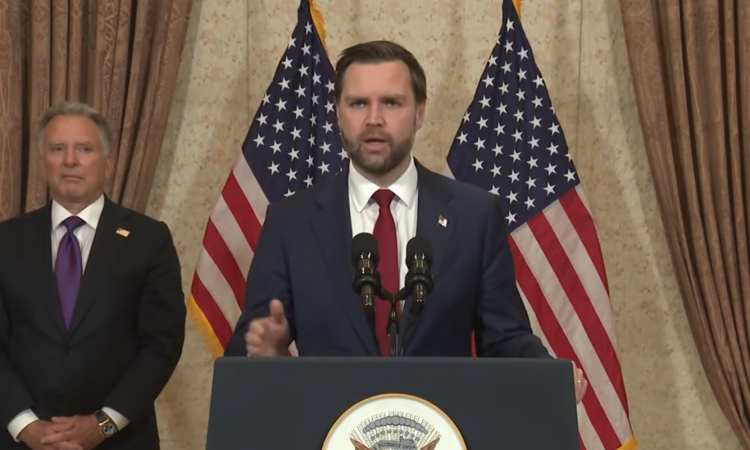
Diplomatic efforts to ease tensions between the United States and Iran suffered a major setback after crucial talks in Pakistan ended without agreement. The outcome has intensified concerns over a possible escalation in the Middle East and its far-reaching global consequences.
The negotiations were seen as a key opportunity to stabilize a rapidly deteriorating situation. However, despite long hours of discussion, both sides failed to bridge their differences, leaving the future uncertain.
High Expectations, Disappointing Outcome
The talks were held with high hopes of achieving a ceasefire and reducing hostilities that have gripped the region in recent weeks.
Officials from both countries engaged in detailed discussions, but progress remained limited. Fundamental disagreements on security, strategy, and long-term commitments ultimately prevented any deal from being finalized.
The breakdown of these negotiations has raised questions about the effectiveness of diplomacy in resolving such complex conflicts.
Nuclear Dispute Remains the Core Issue
At the heart of the disagreement lies Iran’s nuclear program.
The United States has consistently demanded firm assurances that Iran will not pursue nuclear weapons. This condition was presented as essential for any agreement moving forward.
Iran, however, has resisted these demands, arguing that it has the right to pursue its own strategic interests. It has also called for relief from economic restrictions and recognition of its position in the region.
This deadlock over nuclear policy proved to be the biggest obstacle in reaching a compromise.
Pakistan’s Diplomatic Effort
Pakistan hosted the talks in an attempt to act as a neutral mediator and promote peace.
By bringing both sides to the negotiating table, Pakistan aimed to reduce tensions and encourage dialogue. While the effort did not result in an agreement, it demonstrated the country’s growing role in regional diplomacy.
Officials have suggested that further rounds of talks may still be possible, though no timeline has been confirmed.
Rising Tensions in the Middle East
The failed negotiations come at a time when tensions in the Middle East are already high.
The ongoing conflict involves multiple countries and has led to instability across the region. Military activities, political disagreements, and economic pressures have created a volatile environment.
The absence of a diplomatic breakthrough increases the risk of further escalation, potentially drawing more countries into the conflict.
Threat to Global Oil Supply
One of the most serious concerns is the potential impact on global oil supply.
The Strait of Hormuz, a critical route for oil transportation, remains under close watch. Any disruption in this area could significantly affect global energy markets.
Even the possibility of instability has already caused fluctuations in oil prices, highlighting how closely the world economy is tied to developments in the region.
International Concern Grows
The collapse of talks has drawn attention from governments and organizations worldwide.
Many countries have urged both sides to continue diplomatic efforts and avoid actions that could worsen the situation. There is a growing recognition that prolonged conflict would not only affect the Middle East but also have global repercussions.
Economic uncertainty, rising energy costs, and humanitarian concerns are all part of the broader impact.
Risk of Military Escalation
With diplomacy failing to deliver results, the possibility of military escalation cannot be ignored.
Both sides have maintained strong positions, and any further provocation could lead to direct confrontation. Increased military presence in the region has already been reported, signaling heightened readiness.
Such developments add to the uncertainty and tension surrounding the situation.
Why Diplomacy Failed
The failure of the talks can be attributed to several key factors:
- Long-standing mistrust between the United States and Iran
- Conflicting demands regarding nuclear policy
- Strategic differences in regional influence
- Lack of flexibility during negotiations
These challenges made it difficult to reach common ground, despite the urgency of the situation.
Economic Impact Beyond the Region
The effects of the failed talks are not limited to the Middle East.
Global markets are reacting to the uncertainty, with fluctuations in oil prices and cautious investor behavior. Countries that rely heavily on energy imports are particularly vulnerable.
Businesses and policymakers are closely monitoring developments, preparing for potential disruptions in supply chains and trade.
Conclusion
The collapse of US-Iran talks in Pakistan represents a significant setback for diplomatic efforts aimed at stabilizing the region.
With no agreement in place, tensions remain high, and the risk of further escalation continues to grow. The situation highlights the complexity of international relations and the challenges of resolving deep-rooted conflicts.
As the world watches closely, the need for continued dialogue and peaceful solutions remains more important than ever.
Follow us on Google News for more updates: