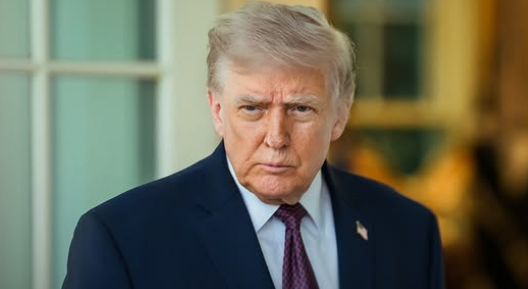
The eyes of the world are on Beijing as the leaders of the two largest global superpowers prepare for a high-stakes meeting. U.S. President Donald Trump is scheduled to depart for the Chinese capital on Tuesday for a summit with President Xi Jinping. This meeting comes at a volatile time, as escalating tensions involving Iran in the Middle East have heightened global instability.
The primary objective for the White House is to ensure that the Iran crisis does not overshadow broader bilateral negotiations regarding trade and security cooperation.
The Iran Crisis and Diplomatic Friction
President Trump has frequently voiced concerns regarding China’s role as a primary buyer of Iranian oil. However, leading up to the summit, the administration has tempered its public expectations. Just days before the trip, the U.S. announced sanctions against three Chinese entities accused of providing satellite imagery to support Iranian military operations.
Beijing has strongly condemned these sanctions, labeling them “illegal unilateral pressure.” Despite this friction, China has been diplomatically engaging with Pakistan to explore peace initiatives, signaling that Beijing also views regional stability as a priority for its own economic health.
Key Agenda: Trade Security and Cooperation
Beyond the shadow of the Iran dispute, the two leaders are expected to focus on several critical pillars:
- Economic Stability: Both nations are keen to avoid a renewed “Tariff War,” which could severely destabilize their respective domestic economies.
- Fentanyl Precursors: A major priority for the U.S. remains securing China’s cooperation in cracking down on the trafficking of chemicals used to produce synthetic opioids.
- The Strait of Hormuz: U.S. Secretary of State Marco Rubio has emphasized that reopening this vital shipping lane is a “mechanical necessity” for China, as a vast portion of its energy imports flow through this route.
Economic Interdependence as a Stabilizer
China’s heavy reliance on Middle Eastern oil makes it vulnerable to regional disruptions. Analysts suggest that Beijing is unlikely to let the Iran conflict permanently damage its trade ties with the U.S. President Trump has also expressed a degree of optimism, suggesting that President Xi may be uniquely positioned to help resolve the maritime standoff in the Strait of Hormuz.
Conclusion
The Iran conflict has undoubtedly added a complex layer to U.S.-China relations. The upcoming Beijing summit will serve as a litmus test to see if economic interests and global trade security can prevail over deep-seated political disagreements. The results of these talks will not only shape the future of these two nations but will also set the tone for global economic stability in the coming year.
Disclaimer: This report is based on current international news bulletins and geopolitical analysis. The situation in the Middle East and the outcomes of diplomatic negotiations are subject to change based on evolving global events. This information is provided for educational and news purposes only.
Follow us on Google News for more updates: