In the hyper-connected world of 2026, a single video can traverse the globe in seconds. Recently, a controversial video allegedly involving an “English Teacher and her Student” has sent shockwaves through social media platforms like X (formerly Twitter) and TikTok. While the curiosity of netizens is peaking, a darker reality lies behind the “viral link” associated with this content—a reality that threatens your personal data and digital security.
The Anatomy of a Viral Sensation
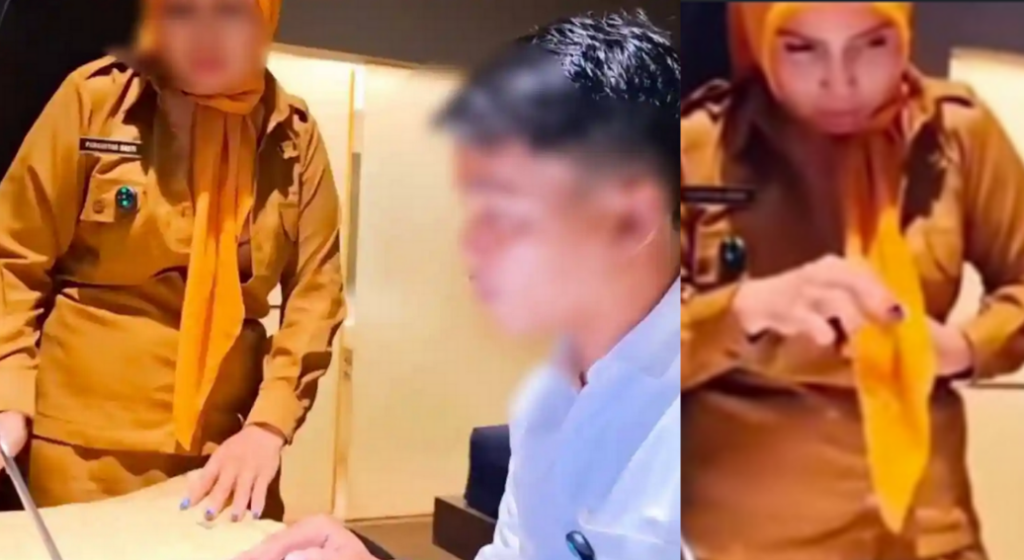
The internet is currently buzzing with discussions about a video clip featuring a woman dressed in a uniform resembling that of a civil servant or an educator (ASN), alongside a male actor in a white shirt. The setting appears to be a classroom or a school office. This specific imagery has sparked a wildfire of speculation, with thousands of users searching for the “full video.”
However, as the buzz grows, cybersecurity experts and critical observers are raising flags. What was initially presented as a “scandalous leak” is now being scrutinized as a carefully orchestrated digital trap or a scripted piece of content designed for high engagement.
Why Experts Think the Video is ‘Staged’
Digital literacy experts and keen-eyed netizens have pointed out several discrepancies that suggest the video is a “settingan” or a scripted production rather than a spontaneous recording:
- Professional Audio Gear: Close-up analysis of the actors’ clothing reveals the presence of small lavalier microphones (lapel mics). In a genuine clandestine recording, such professional audio equipment would not be used. The clarity of the dialogue suggests a controlled production environment.
- Cinematic Angles: The video transitions between multiple camera angles. This indicates the use of more than one camera and a director’s vision, typical of scripted content creators who aim to produce “viral roleplay” for platforms like Facebook and YouTube.
- The Dialogue Hook: The video utilizes a classic clickbait narrative. The student approaches the teacher, and the dialogue begins with, “Excuse me, ma’am, your shirt button is open.” This scripted tension is a common trope used to lure viewers into watching longer, often monetized, videos.
Appearance vs. Professional Reality
Critics have also noted that the female protagonist’s appearance deviates significantly from the standard conduct of an educator. Her extremely long prosthetic nails and flashy accessories are highly unusual for a teacher in a professional school setting, especially one wearing a formal uniform. This suggests that the “teacher” persona was adopted merely as a costume to exploit the “forbidden relationship” narrative which tends to go viral easily.
The Cybersecurity Threat: Don’t Click That Link
The most dangerous aspect of this viral trend isn’t the content itself, but the phishing links that accompany it. Many social media accounts are sharing “full video” or “HD link” captions that direct users away from secure platforms.
By clicking these links, users expose themselves to:
- Phishing Attacks: Malicious websites designed to steal login credentials for Instagram, Facebook, or banking apps.
- Malware Injection: Automated downloads that can install spyware on your smartphone or PC, allowing hackers to access your private photos and messages.
- Financial Fraud: Scams that trick users into paying for “access” to premium content that doesn’t actually exist.
Impact on the Educational Community
The viral spread of such content, which uses the identity of teachers for sensationalism, has sparked a debate on digital ethics. Using an educator’s uniform to create suggestive or adult-themed content devalues the profession and spreads misinformation among younger audiences. It exploits a respected societal role for the sake of “clicks” and “likes.”
How to Protect Yourself Online
In the wake of this “English Teacher” viral drama, users are urged to follow these safety protocols:
- Avoid Unknown Links: If a link promises a “viral leak,” it is almost certainly a trap. Do not click.
- Observe the Red Flags: Look for professional production elements. If you see high-quality audio or multiple angles, it’s not a “leak”—it’s a movie or a skit.
- Report Suspicious Accounts: Help clean up your feed by reporting accounts that distribute malicious links under the guise of viral news.
- Verify Before Sharing: Do not contribute to the spread of misinformation. Sharing these links makes you a part of the malicious distribution chain.
Ultimately, the “Viral Link English Teacher” saga serves as a reminder of the fragility of internet truth. What looks like a scandal is often just a scripted play, and the real danger isn’t the video, but the hidden code waiting behind a suspicious click.
Disclaimer: This article is an analytical report based on current social media trends and media coverage as of May 10, 2026. The content is intended for informational and awareness purposes regarding cybersecurity and digital literacy. There is no official verification of the identities involved in the video, and the analysis suggests the content is scripted. Users are advised to exercise extreme caution when encountering viral links on social media.
Follow us on Google News for more updates: