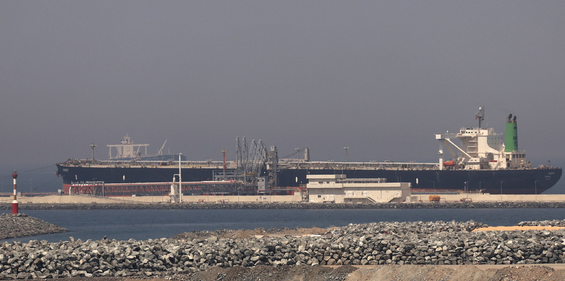
Amid escalating tensions between Iran and the United States and a looming global energy crisis, the United Arab Emirates (UAE) has initiated a major shift in its oil export strategy. The UAE is fast-tracking a new pipeline project designed to double its crude oil export capacity. The primary objective of this move is to bypass the strategically sensitive Strait of Hormuz, which currently remains under significant Iranian influence.
Fujairah Port to Become a Global Hub: Completion by 2027
According to a statement from the UAE’s media office, the Abu Dhabi National Oil Co. (ADNOC) is constructing a new pipeline to boost the capacity of its Fujairah port on the Gulf of Oman. The government has ordered the acceleration of this project to ensure that export capacity is doubled by 2027. Currently, ADNOC operates a pipeline with a capacity of approximately 1.5 million barrels per day, which represents less than half of the firm’s total export potential.
The Hormuz Crisis and Regional Impact
The Strait of Hormuz is a vital trade waterway controlling one-fifth of the world’s oil supply. Due to the ongoing conflict, shipments from neighboring countries—including Kuwait, Iraq, Qatar, and Bahrain—have faced significant hurdles as they rely almost entirely on this passage. To date, only the UAE and Saudi Arabia have successfully maintained large-scale exports by utilizing alternative routes. Following its recent departure from OPEC, the UAE is now operating with newfound independence in its production and export decisions.
PM Modi’s UAE Visit: Major Energy and Defense Pacts
In a parallel diplomatic development, Indian Prime Minister Narendra Modi conducted a brief but high-impact visit to the UAE. During the two-hour stop, India and the UAE signed several landmark agreements:
- Energy Security: Key pacts were finalized for Liquid Petroleum Gas (LPG) supply and the utilization of petroleum reserves.
- Defense Cooperation: Both nations agreed to strengthen bilateral ties in defense manufacturing and technology.
- Maritime Infrastructure: An agreement was reached to establish a ship repair cluster in Vadinar, Gujarat.
This visit is seen as a strategic move to secure India’s energy future and bolster its role as a key partner in West Asia.
Disclaimer: This news report is based on official government statements and media coverage available as of May 15, 2026. This article is intended for informational purposes. For detailed policy updates, please refer to official portals at adnoc.ae or relevant government departments.
To read this news in Hindi, click here: missionkiawaaz.in
Follow us on Google News for more updates: