A heated controversy has erupted around recent changes in NCERT textbooks, drawing attention from academics, students, parents, and legal circles nationwide. A group of scholars, whose names appeared on what some are calling a “blacklist,” has approached the Supreme Court seeking a fair hearing. According to these academics, revisions in the textbooks involve serious questions about transparency, academic freedom, and educational standards.
The controversy began when certain chapters and topics were reportedly removed or modified in ways that critics claim distort historical facts and omit critical perspectives. Many educators argue that textbooks should reflect diverse viewpoints and provide students with a balanced understanding of subjects such as history, politics, and social sciences. When changes seemed to reflect selective emphasis or exclusion, concerns escalated quickly.
At the core of the dispute are allegations that certain scholars were excluded from the review process or labeled unfairly in public discourse. These academics maintain that decisions regarding textbook revisions were made collectively, not by any single individual. They emphasize that curriculum review should involve multiple experts working together and that casting blame on individuals is both misleading and damaging.
In their petition to the Supreme Court, the scholars argued that their names being linked to controversy has harmed their professional reputations and undermines their credibility in academic circles. They stressed that textbook revision must be an open process guided by academic norms and free from personal or political influence. The petition underlines the importance of acknowledging collective decisions rather than attributing changes to single actors.
Legal representatives for these academics have also raised concerns about the lack of transparency in the textbook review process. They argue that when educational materials undergo significant revisions, the process should be clear, consultative, and inclusive. Educational stakeholders, including teachers and subject specialists, should have meaningful roles in determining content that will shape students’ learning experiences.
Public reaction to the controversy has been widespread. Many parents and education activists argue that textbooks are the foundation of a child’s understanding of society and history, and they should be accurate, unbiased, and comprehensive. They have expressed fears that any perceived distortion could shape learning in ways that undermine critical thinking and the ability to evaluate diverse perspectives.
On the other hand, some observers believe that curriculum updates are a normal part of evolving educational needs. They argue that periodic review and revision are necessary to keep textbooks aligned with contemporary scholarship and global developments. According to this view, changes in textbooks may be part of an effort to modernize content and reflect new historical interpretations.
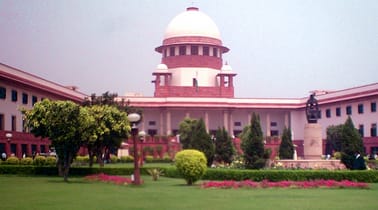
As the case now stands before the Supreme Court of India, legal experts and educators are watching closely. A hearing could establish important precedent about how textbook content should be reviewed and approved in future. If the Supreme Court decides to grant the petition, it might require the educational board to adopt more transparent and consultative practices when making revisions.
Ultimately, the controversy highlights a larger debate about academic freedom, governance in educational institutions, and the role of state bodies in shaping what students learn. How the judiciary addresses these concerns could influence educational policy and practices for years to come, reinforcing the importance of academic integrity and balanced viewpoints in textbooks.