India Trade Update: Government Restricts Import of Two Specific Types of Silver Bars with Immediate Effect
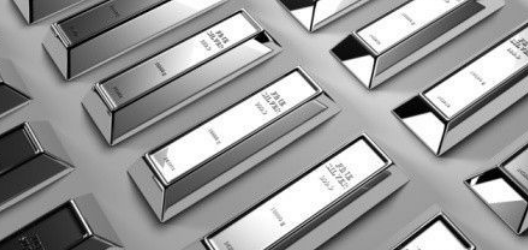
The Government of India has implemented a significant administrative shift in its bullion trade and foreign trade policy. The Directorate General of Foreign Trade (DGFT), operating under the Ministry of Commerce and Industry, issued an official notification on Saturday enforcing fresh restrictions on two key categories of silver imports with immediate effect. Under this revised policy, these categories have been moved from the ‘free’ import list to the ‘restricted’ regime. This decision closely follows the government’s recent sharp hike in customs duties on precious metals, aimed primarily at controlling imports and easing pressure on the country’s widening trade deficit.
DGFT Tightens Regulations: Prior Government Approval Now Mandatory
Under the newly amended framework, importers will now be legally required to secure prior government permission or a specialized import license before bringing specified categories of silver bars into the country. The official notification issued by the DGFT clarified that items classified under ITC (HS) Codes 71069221 and 71069229—which predominantly encompass silver bars containing 99.9% purity—have been shifted to the ‘restricted’ category under Chapter 71 of the Schedule-I import policy, subject to Policy Condition No. 7. Previously, these items fell under the ‘free’ regime, allowing imports subject only to standard compliance procedures.
RBI Oversight and Direct Impact on Manufacturing Industries
Despite being moved to the restricted category, the inbound shipment of these silver bars will remain strictly subject to the financial regulations and guidelines laid down by the Reserve Bank of India (RBI). This regulatory tightening is expected to directly impact bullion traders as well as multiple industrial manufacturing sectors that rely heavily on silver as an industrial input. Specifically, the gems and jewellery, electronics, automotive, and precision component manufacturing sectors will now face more stringent procedural compliance to secure their raw material pipelines.
A Secondary Strike Following High Customs Duty Hike
This restrictive measure marks the second major intervention by the central government recently to curb precious metal inflows, following the dramatic escalation of import duties on gold and silver bars from 6% to 15%. This represents one of the steepest tariff hikes witnessed in the bullion sector in recent years. Simultaneously, the DGFT has tightened the operational norms governing duty-free gold imports under the Advance Authorisation (AA) scheme, which is extensively utilized by gems and jewellery exporters, to prevent any diversion or arbitrage within the domestic market.
Disclaimer: This trade report is formulated based on official notifications and trade data released by the Directorate General of Foreign Trade (DGFT), Ministry of Commerce, Government of India, on May 16, 2026. This article is intended strictly for informational purposes. For legal interpretations, changes in tariff structures, or specific licensing applications, readers should refer directly to the official updates on the DGFT portal (dgft.gov.in) or the Central Board of Indirect Taxes and Customs (CBIC).
To read this news in Hindi, click here: missionkiawaaz.in
Related News

Follow us for Latest Updates
