Why an India-Bound Iranian Crude Tanker Rerouted to China Mid-Voyage
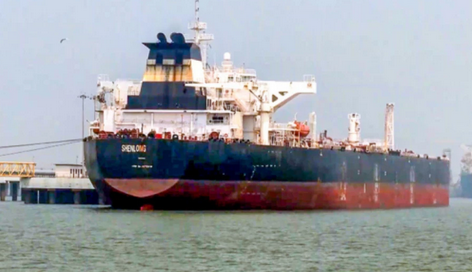
A significant shift in global energy trade has unfolded with an Iranian crude oil tanker, originally destined for India, unexpectedly altering its course and heading toward China. This diversion highlights the complex interactions between sanction regimes, payment mechanisms, and geopolitical strategies that shape crude oil flows.
The tanker, carrying approximately 600,000 barrels of Iranian crude, was expected to deliver the cargo to an Indian port, marking a notable resumption of Iranian oil imports after years of limited trade. However, midway through its voyage, the ship changed direction, prompting industry observers to analyze the underlying reasons.
One of the most important factors behind the rerouting appears to be payment challenges. Due to stringent financial restrictions linked to international sanctions, traditional banking systems often restrict transactions involving certain sanctioned entities, complicating payment processing for buyers. In such a scenario, buyers may opt for alternative destinations where payment arrangements are more flexible and less restrictive.
China’s evolving trade and payment infrastructure seems to offer more adaptable solutions for such transactions, allowing it to accept shipments that face hurdles elsewhere. This suggests that nations may pivot toward partners with more resilient payment frameworks and strategic trade mechanisms that align with their energy import goals.
The rerouting of the tanker thus represents more than a commercial adjustment; it reflects the broader realities of global energy security and geopolitical maneuvering. With ongoing challenges in key shipping routes and persistent regional tensions, unexpected changes in tanker destinations can introduce uncertainty into energy supply chains.
Overall, this episode underscores how international trade in crude oil is deeply influenced by economic policies, geopolitical alignment, and evolving global market dynamics, reinforcing the interconnected nature of energy commerce.
Related News



Follow us for Latest Updates
