What Supreme Court’s Order Means for Steve Bannon and U.S. Law
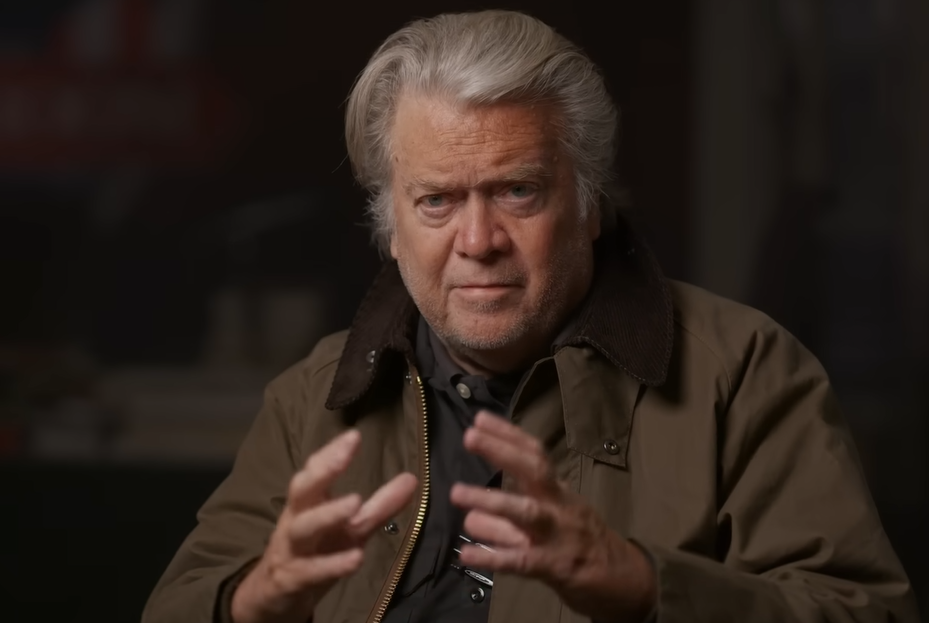
The United States Supreme Court’s unexpected action on April 6, 2026, to vacate a lower court ruling in the case against Steve Bannon has thrust one of the most talked-about legal battles of recent years back into the spotlight. By remanding the case to a federal trial court so that the Justice Department can pursue dismissal, the Supreme Court has set in motion a sequence of legal events that could dramatically reshape the outcome for Bannon and raise broader questions about the interaction of law and politics in the United States.
Steve Bannon, a political strategist who once served as a senior adviser to President Donald Trump, was convicted in 2022 on misdemeanor counts of contempt of Congress after ignoring a congressional subpoena during the January 6 attack investigation. He completed a four-month sentence related to that conviction in 2024, but the legal battle has continued through appeals and renewed motions.
In its April order, the Supreme Court vacated the appellate court’s decision that upheld Bannon’s conviction and sent the case back to a lower court for reconsideration, specifically so that the trial judge can consider a motion filed by the Justice Department to dismiss the indictment. Prosecutors have argued that dismissal is appropriate “in the interests of justice,” a phrase that underscores the degree of prosecutorial discretion granted to the Justice Department under current leadership.
Although the Supreme Court did not provide a detailed written opinion, its procedural order has far-reaching legal implications. It underscores how prosecutorial discretion and judicial oversight can intersect in politically charged cases. The decision may also reflect broader judicial consideration of how executive authority and prosecutorial responsibility operate in cases tied to sweeping political events like January 6.
Supporters of the Supreme Court’s ruling argue that it upholds the principle that prosecutors have the authority to re-evaluate cases when context and political landscapes change. They view the decision as a check against politically motivated prosecutions, allowing justice to be pursued with greater balance. For Bannon supporters, the possibility of dismissal represents vindication and the prospect of clearing his criminal record.
Opponents of the ruling warn that allowing dismissal now could weaken congressional oversight and reduce accountability for individuals who refuse to comply with lawful subpoenas. They claim the decision could set a precedent that undermines legislative authority, particularly in investigations involving national security and public trust.
Legal analysts suggest that the upcoming proceedings in the lower court will be critical. If the trial judge grants the Justice Department’s motion to dismiss, it would remove the legal consequences of Bannon’s conviction. That outcome would be noteworthy not only because it alters a high-profile legal case but also because it highlights how political transitions can influence prosecutions and judicial outcomes.
This case now plays a central role in ongoing national discussions about prosecutorial discretion, executive power, and congressional authority. Observers from across the political spectrum are watching closely as the legal process unfolds, recognizing that the implications could extend beyond a single individual’s case and affect broader legal norms in politically controversial prosecutions.
Related News



Follow us for Latest Updates
