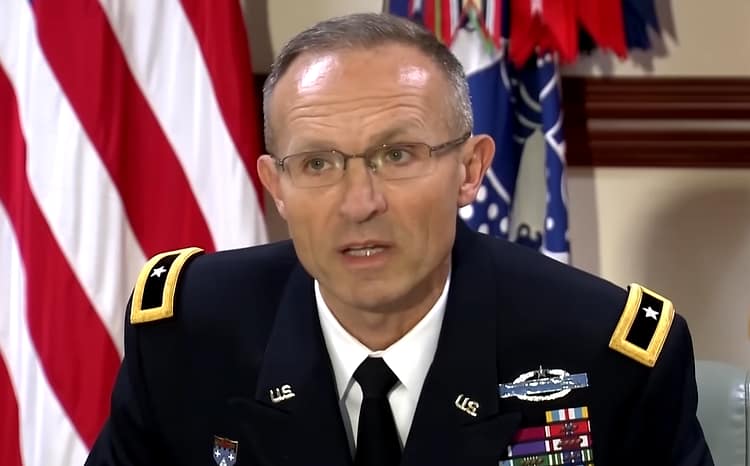
In an unprecedented move, U.S. Defense Secretary Pete Hegseth requested the immediate retirement of Army Chief of Staff General Randy George on April 2–3, 2026. This decision comes amid ongoing U.S. military operations in multiple international hotspots and has raised questions about the stability and continuity of military leadership during critical times. General George, who was appointed as the 41st Chief of Staff in 2023, still had over a year remaining in his four-year term, making this removal highly unusual.
Background of General Randy George
General George has had a distinguished military career, serving in key operational and administrative positions within the U.S. Army. His deployments included service in Iraq and Afghanistan, where he gained extensive field experience and strategic insights. Before being appointed Chief of Staff, George played a critical role in army readiness, modernization, and procurement programs. He was widely respected among peers for his operational knowledge and leadership skills.
Circumstances Leading to the Removal
The exact reasons behind Hegseth’s decision have not been officially disclosed. Pentagon officials stated that the decision was a personnel matter, while expressing gratitude for General George’s decades of dedicated service. However, the abrupt nature of the retirement, especially during active military engagements abroad, has drawn attention and speculation from military analysts and political commentators alike.
Some observers note that Defense Secretary Hegseth has been initiating significant leadership changes within the Pentagon since taking office, suggesting a desire to align senior military leadership more closely with his policy vision and administrative priorities. The current geopolitical environment, including heightened tensions in the Middle East, particularly involving Iran, adds complexity to the leadership transition.
Immediate Implications
General George’s departure has created an immediate leadership vacuum at the highest level of the U.S. Army. Vice Chief of Staff General Christopher LaNeve is expected to assume responsibilities in an acting capacity while a permanent replacement is considered. The transition period is likely to involve heightened coordination with other branches of the military, as well as careful management of ongoing operations and readiness programs.
Reactions from Experts and Analysts
Military experts have described the move as “unusual during a period of active operations,” emphasizing that such a sudden leadership change could affect decision-making and morale within the ranks. Political analysts suggest that the removal reflects the current administration’s approach to reshaping the military’s senior leadership structure, prioritizing alignment with policy objectives over continuity.
Some analysts also highlight potential implications for civil-military relations in the United States. While civilian oversight of the military is a standard principle, abrupt leadership changes can create uncertainty among senior officers and complicate strategic planning during high-stakes operations.
Looking Ahead
The Pentagon has stated that discussions will be held with relevant personnel to ensure a smooth transition and to address concerns regarding ongoing military readiness. While General George’s departure marks the end of his tenure as Army Chief of Staff, it signals a broader trend of leadership realignment under Defense Secretary Hegseth.
The next few months will be critical in observing how these changes affect the Army’s operational effectiveness, strategic planning, and interactions with allied forces. Observers will closely monitor whether the administration appoints a permanent successor who continues General George’s initiatives or introduces a new strategic direction.