South Korea to Phase Contributions to US-Led ‘Project Freedom’ in Strait of Hormuz
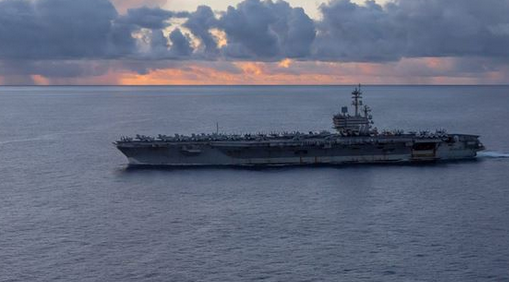
South Korea has officially announced its intention to review a phased contribution to “Project Freedom,” a United States-led maritime security initiative. This decision follows high-level talks in Washington between South Korean Defense Minister Ahn Gyu-back and U.S. Secretary of War Pete Hegseth.
The move is aimed at ensuring the safe passage of commercial vessels through the Strait of Hormuz, a vital global shipping lane currently facing heightened regional tensions.
Core Elements of the Collaboration
Defense Minister Ahn clarified that South Korea’s participation would be a “gradual” process, aligning with its responsibilities as a global partner. The potential forms of support include:
- Formal Endorsements: Issuing official declarations of support for the security initiative.
- Intelligence Sharing: Exchanging vital data to monitor maritime threats.
- Personnel & Assets: Exploring the deployment of military personnel and assets in a phased manner.
- Technical Assistance: Providing advisory and technical support where necessary.
Strategic Shifts: ‘Project Freedom Plus’
The announcement comes as the U.S. administration considers expanding the initiative into “Project Freedom Plus” if diplomatic negotiations with Iran do not reach a resolution. While the project was recently paused to allow for mediation efforts by countries like Pakistan, the U.S. and its allies are preparing for a more robust security framework if peace talks stall.
Broader Defense Discussions
The bilateral meeting also covered several critical defense issues:
- OPCON Transfer: South Korea reiterated its firm stance on the early transfer of wartime operational control (OPCON), a point the U.S. side acknowledged.
- Troop Stability: Discussions did not include any plans to reduce the presence of U.S. troops in South Korea.
- Ship Investigation: Seoul briefed Washington on its investigation into an incident involving the South Korean cargo ship HMM Namu in the region.
Strategic Analysis: Balancing Interests
The Strait of Hormuz is a critical artery for South Korea’s energy security, as a massive portion of its oil imports passes through these waters. By committing to a “phased” approach, Seoul is navigating a delicate balance—supporting its primary security ally while adhering to domestic legal procedures and avoiding immediate escalation in the Gulf.
Disclaimer: This report is compiled from official government briefings and international news reports. Implementation of defense contributions remains subject to the respective nations’ legal frameworks and diplomatic developments.
Related News


Follow us for Latest Updates
