RBI’s Actions Propel Rupee to 12-Year High Against US Dollar: Comprehensive Analysis
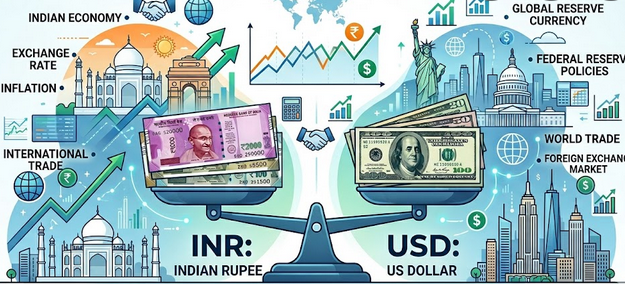
The Indian currency, long subject to global uncertainties and external shocks, has posted an impressive rebound against the US dollar. In fact, this recent rally represents the most substantial appreciation the rupee has experienced in the past twelve years — a sign of strengthening economic conditions and effective monetary policy by the Reserve Bank of India (RBI).
What Explained This Sharp Rebound?
The rupee’s strong performance involved a confluence of policy, macroeconomic stability and confidence-boosting measures. Central to this outcome were several critical developments:
Strategic Liquidity Management by RBI:
The RBI implemented targeted liquidity strategies aimed at reducing excess volatility in the forex market. By withdrawing excess liquidity at key junctures and managing currency forwards, the central bank supported a more sustainable and organic appreciation of the rupee.
Interest Rate Posture:
The RBI maintained a calibrated interest rate strategy by adjusting benchmark rates when necessary to align with macroeconomic goals. Higher interest rates contributed to enhanced investor confidence and made Indian assets more attractive relative to global peers.
Renewed Foreign Investment:
India witnessed robust inflows from foreign institutional investors and long-term funds seeking opportunities in Indian equities and debt markets. These inflows not only strengthened domestic markets but also generated demand for the rupee.
Improved Trade Dynamics:
Export growth, even in the face of global headwinds, combined with stable services exports, helped bolster foreign exchange reserves. Meanwhile, import bills softened partially due to improved pricing trends in commodities, easing pressure on trade deficits.
Sectorwide Impacts of a Stronger Rupee
The effects of a strengthened currency ripple across different parts of the economy:
Manufacturing Sector:
Manufacturers dependent on imported raw materials benefit from lower input costs. This can enhance profitability and competitiveness in domestic markets.
Corporate Earnings:
Companies earning significant revenue abroad may report lower realizations when converting foreign earnings into rupees. However, reduced import costs can improve net margins, especially for sectors like automotive and electronics.
Financial Markets:
A stable and appreciating currency often lifts investor sentiment. Equity markets may respond positively as currency strength signals macroeconomic health. Additionally, bond markets benefit from stabilizing inflation expectations.
Household Impact:
A stronger rupee reduces the price of imported goods, including electronics, luxury goods, and fuel derivatives. This translates into tangible benefits for consumers as the cost of living pressure eases.
The RBI’s Policy Playbook
The central bank’s policy toolkit includes multiple instruments that influence currency dynamics:
- Open Market Operations: Buying and selling government securities to manage liquidity
- Interest Rate Adjustments: Influencing borrowing costs to balance inflation and growth
- Forex Swaps and Forward Positioning: Managing currency supply and hedging risks
These measures work in tandem to provide a stable macroeconomic framework, reduce speculative volatility, and support orderly forex market functioning.
What This Means for the Future
While achieving a 12-year high is impressive, sustaining currency strength depends on continued macro stability and prudent policy choices. India’s economic growth trajectory, inflation trends, global commodity cycles, and geopolitical developments will influence how the rupee performs in the coming months.
Market watchers continue to monitor external debt flows, merchandise exports, monetary policy updates, and global interest rate trends to anticipate future movements.
In summary, the rupee’s recent surge against the dollar highlights a moment of confidence for India’s economy. As external and domestic challenges evolve, consistent policy calibration and economic resilience will be critical to maintaining currency strength and shaping investor expectations.
Related News



Follow us for Latest Updates
