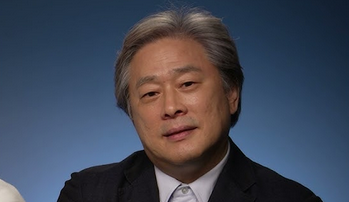
As the 79th edition of the Cannes Film Festival officially kicked off, Jury President and legendary filmmaker Park Chan-wook shared his provocative views on the purpose of cinema and freedom of expression. During the opening press conference, he asserted that politics and art are not in conflict but rather coexist naturally.
The Distinction Between Propaganda and Cinema
Drawing a fine line between political cinema and mere propaganda, Park Chan-wook stated:
- Artistic Expression: A work of art containing a political statement should not be viewed as an “enemy of art.” Conversely, a film that lacks a political stance should not be overlooked.
- Propaganda vs. Art: He issued a cautionary note, saying, “Even if we are to make a brilliant political statement, if it is not expressed artfully enough, it would just be propaganda.”
A Counter-Response to the Berlin Film Festival Controversy?
Park’s remarks are being seen as a response to comments made a few months ago by Berlin Film Festival Jury President Wim Wenders, who suggested filmmakers should stay out of politics. In contrast, Park Chan-wook described his role as approaching the competition with the “pure eyes of an audience member,” ready to be surprised without prejudice or stereotypes.
Demi Moore Joins the Conversation
Fellow jury member and iconic actress Demi Moore also voiced her support for freedom of expression. She noted that if artists begin to censor themselves, they risk shutting down the very core of their creativity—the place where truth and answers are discovered.
Expert Analysis: Why Park’s Stance Matters
Park Chan-wook (director of Oldboy and Decision to Leave) is renowned for weaving deep social and psychological themes into his work with high artistic flair. In an era of increasing global censorship, his stance encourages artists to keep their voices loud and authentic. It will be fascinating to see which films the jury selects for the Palme d’Or when the festival concludes on May 23.
Disclaimer: This article is based on official press conferences from the Cannes Film Festival and international media reports. The views expressed are the personal and professional perspectives of the filmmakers.
Follow us on Google News for more updates: