Dubai/Islamabad | May 11, 2026
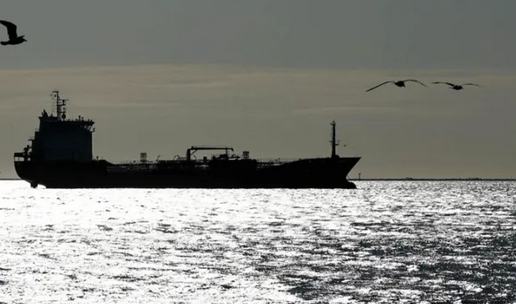
In a significant diplomatic and energy milestone, a second Qatari Liquefied Natural Gas (LNG) tanker, the Mihzem, has successfully transited the Strait of Hormuz. The passage was made possible through a specialized tripartite coordination involving Iran and Pakistan, ensuring the safe delivery of critical fuel amid heightened regional conflict risks.
The Details of the Transit
According to LSEG shipping data, the Mihzem, a vessel with a capacity of 174,000 cubic meters, departed from Qatar’s Ras Laffan port and is currently heading northeast.
- Arrival Timeline: The tanker is expected to dock at Port Qasim in Pakistan by May 12.
- A Pattern of Passage: This follows the successful transit of another tanker, the Al Kharaitiyat, which crossed the strait over the weekend using a northern route approved by Iranian authorities.
Pakistan’s Diplomatic Role and Energy Needs
Pakistan is currently facing an acute domestic gas shortage and has been actively engaging with Iran to secure safe passage for its energy imports.
- Pakistan as a Mediator: Sources suggest that Iran approved these shipments as a “confidence-building measure,” recognizing Pakistan’s role as a mediator in the ongoing regional tensions.
- G2G Agreement: The LNG is being supplied under a government-to-government (G2G) deal between Qatar and Pakistan. At least two more tankers are expected to follow the same route in the coming days to help stabilize Pakistan’s energy grid.
Navigating High-Risk Waters
The Strait of Hormuz remains the world’s most sensitive chokepoint for global energy. Recent incidents have forced suppliers to adopt highly cautious operational strategies:
- Heightened Sensitivity: Earlier this month, the UAE’s ADNOC successfully moved two tankers through the strait, but only after switching off their tracking signals to avoid detection.
- Qatar’s Export Capacity: While Qatar remains the world’s second-largest LNG exporter, recent regional attacks have impacted approximately 17% of its export capacity. Repairs to the infrastructure are estimated to take between three to five years.
Conclusion
The safe passage of the Mihzem highlights that case-by-case diplomacy remains a functional tool even in high-conflict zones. For Pakistan, these shipments are a vital lifeline, though the reliance on specific approvals from Tehran underscores the fragile nature of energy security in the Middle East today.
Disclaimer: This report is based on international shipping data and sources familiar with the diplomatic negotiations. The arrival times and routes are subject to change based on real-time security assessments in the region.
Follow us on Google News for more updates: