NCR Tightens Pollution Control: 175 Locations Inspected in Special Crackdown
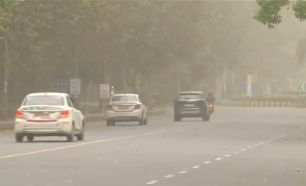
Air pollution in the National Capital Region (NCR) continues to be one of the biggest environmental concerns, impacting millions of residents daily. To address this long-standing issue, enforcement authorities have launched a large-scale crackdown across the region. In a recent action plan, officials inspected 175 pollution-prone locations, focusing on construction sites, industrial units, road-dust zones, and diesel generator (DG) operations. This intensified enforcement drive reflects the government’s renewed commitment to improving air quality and reducing hazardous emissions.
The inspection campaign was conducted over nearly two weeks, during which flying squad teams visited multiple hotspots known for violating environmental standards. These teams concentrated primarily on activities that generate high levels of PM2.5 and PM10—fine particulate matter responsible for respiratory and cardiovascular illnesses. Construction and demolition sites are among the biggest contributors to dust pollution, while diesel generator sets often emit harmful fumes when operated without adequate emission controls.
A notable outcome of the operation was the identification of numerous violations. Ten industrial units were ordered to shut down due to non-compliance with pollution norms. Additionally, 27 diesel generator sets were sealed after authorities found that their emissions far exceeded permissible limits. Another eight units were issued show-cause notices, requiring them to justify their violations and implement corrective measures. One industrial unit was also marked for environmental compensation due to the severity of its non-compliance.
Certain regions within NCR, particularly Meerut and Faridabad, displayed a high number of violations. Authorities found a total of 140 rule breaches in these areas alone, indicating the pressing need for stricter oversight and more frequent checks. Such findings show how localized pollution sources, if left uncontrolled, can significantly worsen air quality across the entire region.
The inspection drive also reviewed compliance data from earlier operations. Out of more than 26,000 units inspected in previous cycles, approximately 1,755 units had been shut down at various times for failing to follow environmental guidelines. Many of them, after making the required improvements, were later allowed to resume operations. Around 1,330 units successfully complied with standards and were granted permission to operate again, demonstrating that enforcement pressure often leads to positive environmental changes.
Environmental experts have welcomed the heightened enforcement efforts, stating that such measures are essential to achieving long-term air quality improvement. With pollution levels in Delhi and NCR frequently crossing dangerous limits, the health impact on residents—especially children and the elderly—has been alarming. Strict action against polluting industries, unregulated construction, and illegal DG set usage is seen as a crucial step toward safeguarding public health.
Public awareness is also being emphasized as a complementary approach. Authorities are encouraging residents, businesses, and builders to adopt eco-friendly practices, reduce reliance on diesel generators, and follow construction dust-control rules. As these efforts continue, the strengthened enforcement regime is expected to bring measurable improvements to the region’s air quality.
Related News



Follow us for Latest Updates
