Middle East Tensions Escalate: Fresh Strikes, Rising Oil Prices, and Global Concerns
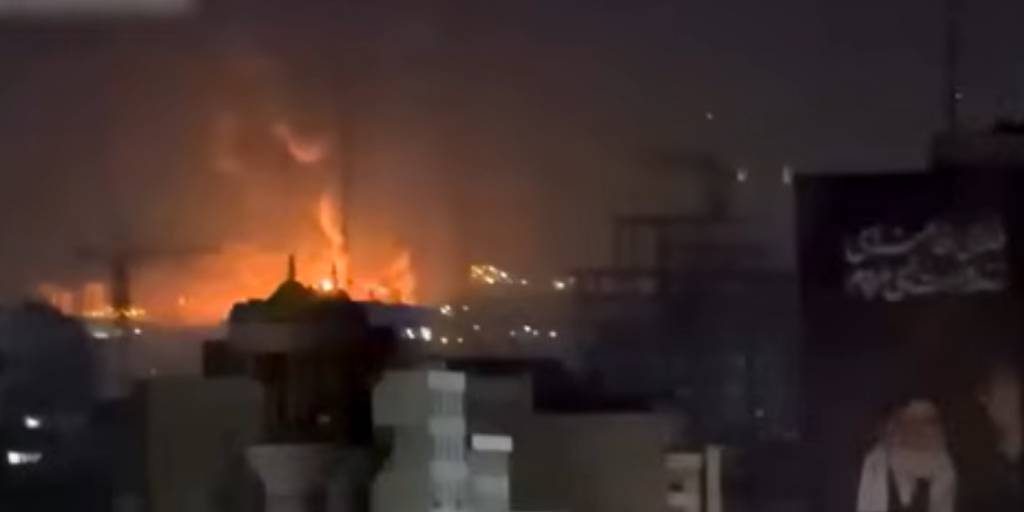
The conflict involving Iran, the United States, Israel, and key Gulf nations has intensified, triggering a chain of military, political, and economic consequences across the Middle East. The situation remains volatile as missile and drone attacks continue, energy routes face disruptions, and global markets react sharply.
Major Developments
Iran Targets Oil Tanker and Strategic Zones
Iran launched fresh missile and drone attacks in the region, striking a fully loaded Kuwaiti oil tanker near the Dubai port. The tanker suffered significant structural damage, causing a fire onboard and threatening nearby vessels.
In Dubai, falling debris from an intercepted missile caused fires in a residential area, leaving four people injured. Meanwhile, Kuwait and Saudi Arabia reported the successful interception of several incoming drones and missiles aimed at critical infrastructure.
US and Israel Continue Coordinated Strikes
In response to Iran’s actions, US and Israeli forces carried out targeted air and missile strikes on multiple Iranian military locations. Key Iranian facilities in the Strait of Hormuz and Kharg Island were hit, areas crucial for global oil transportation.
Israeli leadership stated that “nearly half” of their strategic objectives against Iran have already been achieved. The offensive aims to weaken Iran’s military capabilities and disrupt its regional influence.
Trump Signals Possible Diplomatic Opening
Amid the rising tensions, US President Donald Trump suggested that negotiations with Iran might become possible soon, though he acknowledged that the conflict could escalate further before any political solution is reached. His statements indicate the likelihood of back-channel diplomacy even as military actions continue.
Humanitarian Impact
A tragic incident occurred in Kuwait, where an attack on a power and water facility resulted in the death of an Indian worker and injured several others. Across Lebanon, Israeli airstrikes led to significant casualties, including UN peacekeeping personnel stationed near conflict zones.
Civilian infrastructure across the region has been heavily affected, raising global concerns about humanitarian support and emergency relief.
Impact on Global Oil Markets
The conflict has had an immediate effect on the world economy. Oil prices surged to their highest level in months as fears grew over supply disruptions through the Strait of Hormuz, one of the most essential maritime routes for global energy transport.
With Iranian forces increasing their presence and control around the strait, analysts warn that prolonged tensions could lead to severe instability in the international oil market.
International Reactions
Western countries have expressed deep concern. Spain, for instance, temporarily restricted the use of its airspace for US military aircraft, a move that could impact strategic planning.
Gulf nations, including the UAE and Saudi Arabia, issued strong statements urging restraint and warning that a wider regional war would have catastrophic consequences.
Global institutions, including the UN and the EU, have called for immediate de-escalation to prevent the crisis from spiraling into a full-scale international conflict.
Related News


Follow us for Latest Updates
