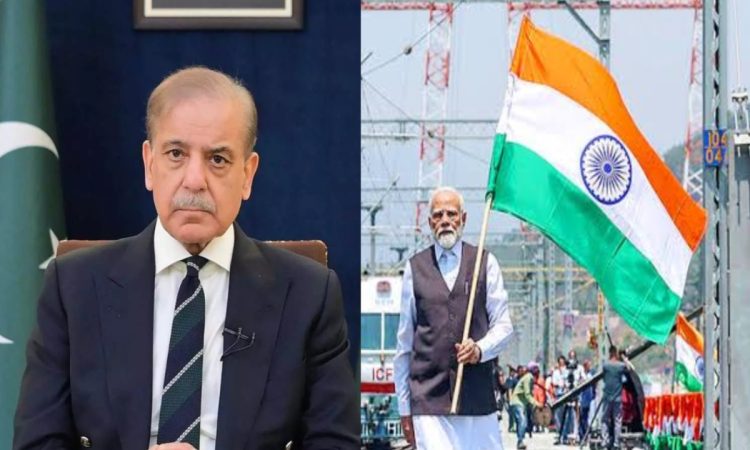
Islamabad / New Delhi – A newly presented annual threat assessment report by the US Intelligence Community has highlighted that the risk of a nuclear confrontation between India and Pakistan remains real. The 34-page report, submitted before the US Senate, notes that although both nations do not intend to initiate direct conflict, existing tensions and underlying conditions could escalate the situation.
Terror Threats Could Trigger Escalation
According to the report, past confrontations between the two nuclear-armed neighbors continue to influence current relations, increasing the risk of heightened tensions. It specifically points to last year’s terrorist attack near Pahalgam in Jammu and Kashmir as an example of how such incidents can intensify the possibility of conflict.
The presence of militant elements capable of exploiting volatile situations remains a key concern.
Pakistan-Afghanistan Relations Under Strain
The document also highlights ongoing friction between Pakistan and the Taliban. Frequent cross-border clashes have been reported, largely due to Islamabad’s frustration over anti-Pakistan militant groups operating from Afghan territory. At the same time, Pakistan continues to face rising internal terrorist violence.
Missile Threats Expanding Globally
During the Senate briefing, US Director of National Intelligence Tulsi Gabbard warned lawmakers that Pakistan is developing long-range ballistic missile capabilities that could potentially target the United States.
She further stated that the number of missile threats facing the US could grow significantly—from over 3,000 at present to more than 16,000 by 2035.
Emerging Global Military Developments
Gabbard emphasized that America’s nuclear deterrence remains a key factor in ensuring national security. However, she cautioned that countries such as Russia, China, North Korea, Iran, and Pakistan are actively advancing both nuclear and conventional missile technologies.
These developments could expand the range and sophistication of threats facing the United States in the coming years.
